
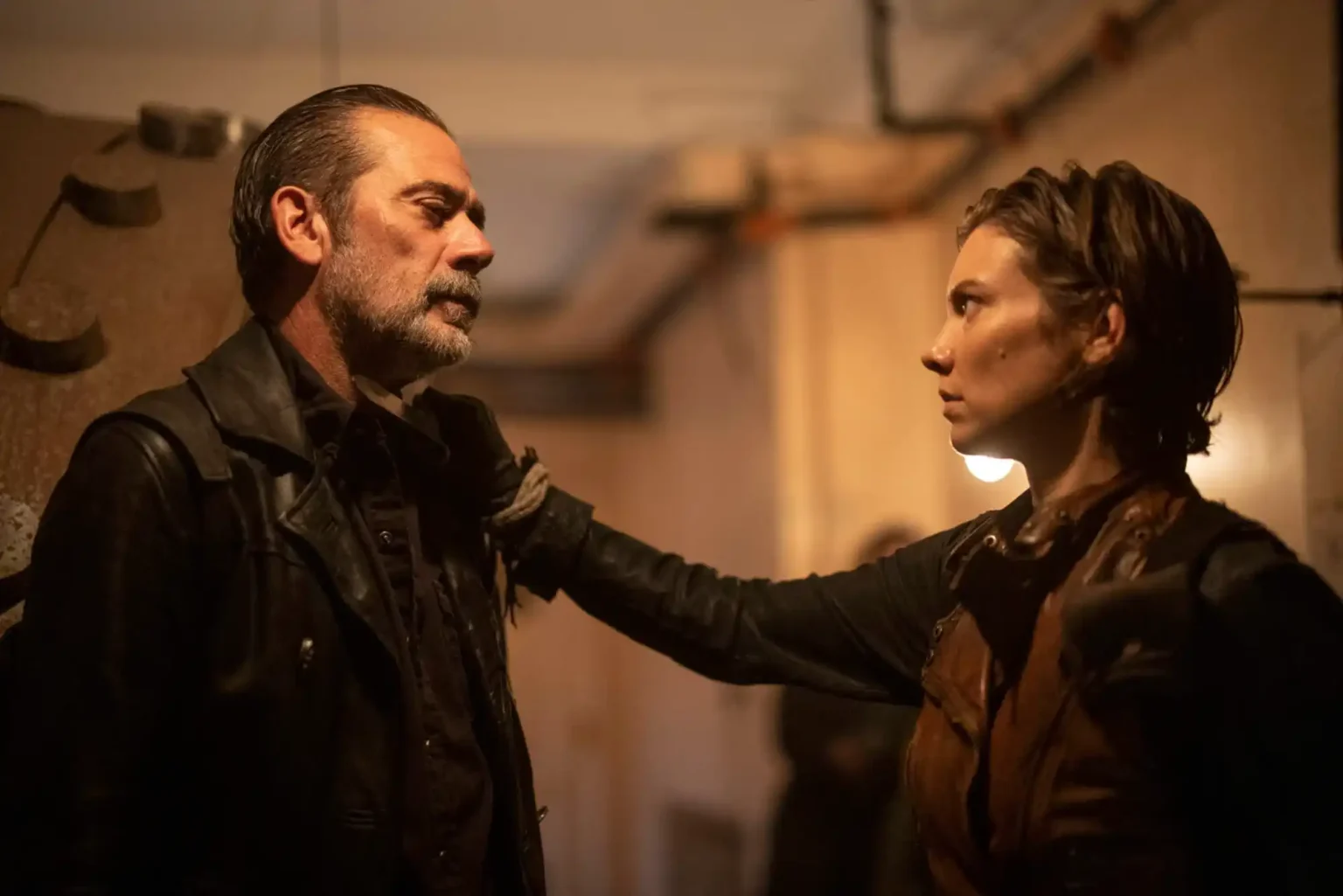
There is an old storytelling quandary for a franchise as expansive as The Walking Dead: how to put a face of redemption on an iconic villain without robbing him of the very qualities that made him so magnetic. For years the show has been at odds with this, and with Negan Smith – Jeffrey Dean Morgan’s bat-wielding, leather-clad antihero – it was all too easy for his arc to become a case study in what happens when you try to neuter one of cable’s most interesting characters.
In trying to put some distance between the man and the ruthless killer who put down Glenn Rhee and Abraham Ford, earlier seasons had a way of filing off his narrative edges, producing a rather sanitized version of what was once an unpredictable force.
Then came the third season of The Walking Dead: Dead City. Just as the flagship spin-off was in danger of running out of steam, showrunner Seth Hoffman and company have hit upon the right formula to put the “real” Negan back on screen.
The Trouble with Too Much Atonement
Negan’s appeal when he first arrived was in his volatile blend of dark humor, arrogance and threat. As the franchise steered him toward repentance, that kinetic quality started to dissipate. Some long-term change was called for if he was to share the same space as Maggie Rhee (Lauren Cohan), but the result was often an apologetic type of figure. Devoid of his usual bravado, Negan was in danger of becoming background noise in a world where you need an edge to survive.
Maggie and Negan: The Friction Returns
Season 3 of Dead City puts its focus where it belongs: on the unresolvable tension between Maggie and the man who killed her husband. There is no attempt at a neat reconciliation or a rewriting of history here. The new season is content to let them occupy the moral gray zones of their uneasy arrangement in Manhattan.
Trauma does not just vanish with time, and the writing reflects that. By putting the pair in situations where trust is at once required and out of reach, the series makes for some good dramatic friction; there is always a sense of danger and unspoken history in the room.
Getting Negan Right
What makes this season work is that the creative team does not see character growth as a matter of turning a villain into a bland hero. They have gone back to the source of Jeffrey Dean Morgan’s memorable introduction, with all the razor-sharp theatricality and ambiguity about where his loyalties are.
It is not as though they have hit the reset button. Negan still carries the weight of his guilt over things like Glenn’s murder. But the dog-eat-dog warfare of the city forces him to rely on those cold, calculated instincts again. He has his swagger back, yet the moral complexity is intact, making the dynamic with Maggie as compelling as it was meant to be.
A Lesson in Franchise Management
| Strategic Focus | Previous Seasons | Season 3 Recalibration |
|---|---|---|
| Negan’s Persona | Sanitized, passive, overly remorseful | Dark humor, sharp theatricality, restored threat level |
| Maggie Dynamic | Repetitive grievance loops | High-stakes, morally ambiguous partnership |
| Narrative Tone | Melodramatic, grim fatigue | Kinetic, high-stakes urban survival |
Dead City shows that AMC can still put on sharp, character-driven television. By giving Negan his bite back while leaving the hard-won development of his character in place, the show has provided the kind of forward momentum the franchise needed.