
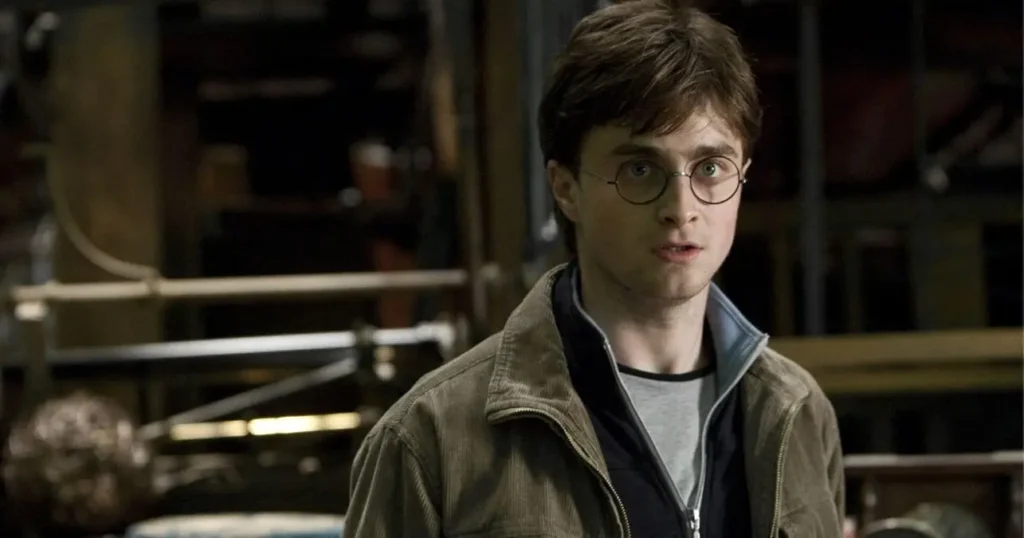
When HBO announced it was reviving “Harry Potter” as a long-form TV show, it was clear what people would think. Some fans were excited about the possibilities, while others were confused as to why the franchise needed another adaptation. After all, the original movies were the biggest hits of an entire generation. A swift return to them was always going to invite comparisons.
But, obviously, one advantage a TV show has over a movie franchise is time.
The movies had to squeeze massive books into two and a half-hour runs, so entire plots, characters, and parts of the world-building were cut. A series plays by different rules. Moments that were cut to make things go faster can now get more room to breathe, be it Peeves causing trouble at Hogwarts or the full story of the Marauders. More importantly, the writers can plot the story with the end already in mind, dropping in little hints and making character arcs stronger over multiple seasons rather than racing from one big plot point to the next.
In a more general way, we can revisit one of the more controversial aspects of Harry Potter’s story: what happens after Voldemort is defeated.
The canonical story is that Harry eventually becomes an Auror and then heads the Department of Magical Law Enforcement. It sounds good on paper. He spent most of his childhood fighting dark wizards so it makes sense he would continue that work as an adult.
But now that I think about it more, I’m not so sure.
All Harry’s childhood was spent with abuse, loss and responsibilities that no child should have to deal with. He always winds up fighting battles he doesn’t want to, and every year at Hogwarts ends in another life-or-death fight. For someone whose deepest wish was just to have a family and a place to belong, it’s surprisingly sad to choose a job that will keep him on the front lines forever. This does not mean he is finally at peace, but rather it almost means conflict is all he will ever know.
That’s where a TV show based on the book could actually do something new. Not by changing the story for change’s sake, but by getting to know Harry better as a person.
One of the best things about adapting the story for television is the writers know where every character is going. They can turn those journeys into far more purpose, even Harry’s. Instead of assuming he’ll spend the rest of his life chasing down dark wizards, the show could ask a much more interesting question: what kind of future would actually help him heal after years of trauma?
There are a lot. Harry may still have a role to play in the wizarding world, reflecting what he went through rather than just his fighting skills. He could teach at Hogwarts, help young witches and wizards, research magic, or help rebuild institutions from the inside out. These are all things that appeal to him more than his fighting skills.
What matters most are the themes the new show wants to emphasize. There have always been more than just Voldemort in Harry’s story. It’s about love and friendship and strength and breaking cycles that have been going on for generations. Some of that emotional payoff is lost if the end of that journey just puts him back in another system based on anger and punishment.
This does not mean that the show has to break established canon or radically change the main character. But adaptations are always about interpretation, and television gives this creative team the opportunity to explore ideas they didn’t have time to explore in movies. If the writers are willing to look beyond the obvious things, then they could show Harry’s future in a way that is true to his character and gives us a better sense of closure.
Whatever HBO does with the timeline, I hope the show gives as much thought to Harry’s postwar life as it does to the battles. If someone fought their whole childhood to stay alive, another fight may not be the most meaningful ending for them. It could be just the chance to live.