
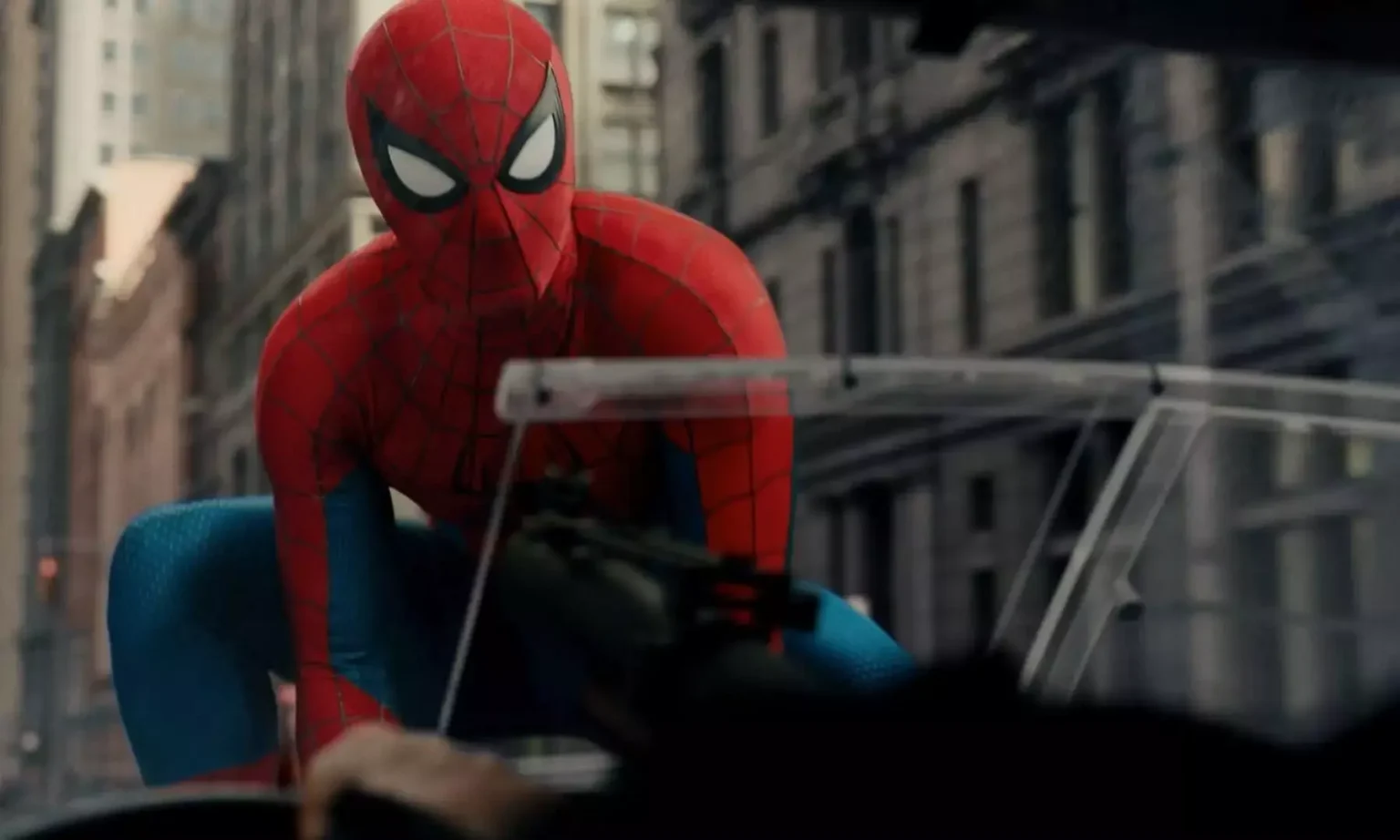
Spider-Man: No Way Home put an end to things and left Peter Parker with nothing but his anonymity, a move that was supposed to usher in a more modest, street-level existence for the web-slinger. But anyone who has made their way to the theater for Spider-Man: Brand New Day will find Marvel’s newest installment is no small affair. For all its wintry, hard-edged New York setting, the film is built on a thicket of narrative threads that tie together mutant history, government machinations and the kind of crime you see on the pavement, all in service of staking out the next big chapter for the MCU.
You only have to watch the film’s rousing, emotional finale to see the writing on the wall for what is to come in Avengers: Doomsday and Secret Wars. With its share of psychic confrontations and close calls with death, the conclusion leaves you to ponder where this puts Peter Parker and the rest of the universe.
The Psychic Siege of Roosevelt Island and the Revelation of Jean Grey

Take the matter of Jean Grey and the siege on Roosevelt Island. Sadie Sink makes a much-talked about debut as the character, and her presence is the catalyst for the chaos that ensues. Put on the run by Damage Control and viewed as a volatile threat, Jean’s psionic gifts – from telekinesis to the ability to take over a civilian – have the city on edge.
It is on Roosevelt Island that the situation boils over. Grief and trauma at the kidnapping of her sister Sara get the better of Jean, and her powers go into a violent spin. A psionic shockwave rips through the area, paralyzing parts of the city and nullifying Peter’s tech. He is put to the test having to contend with a Hulk under someone else’s thumb and a Frank Castle who is anything but merciful.
Peter comes to understand that force is not the answer. In a rare show of vulnerability he lets his guard down and allows Jean access to his mind. He does not resist; instead he steers her toward a memory of Aunt May and the old adage that you should never be afraid of what makes them special. The empathy of it undoes her, but the reprieve is short-lived. With a sniper from Frank Castle zeroing in on Jean, Peter throws himself in front of the shot. The bullet is nearly fatal, and he slips into a coma.
The Breaking of the Spell: Memory, Muscle Memory and MJ
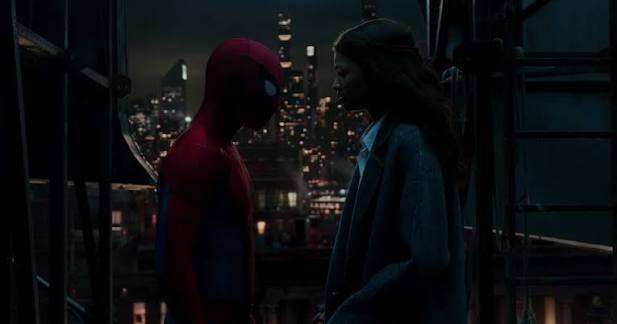
There is an emotional subtext to the film that has to do with the aftermath of Doctor Strange’s spell in No Way Home. Even as Peter is in a fight for his life, with New York putting on a citywide candlelight vigil at the Empire State Building and Jean lending her telepathy to mend his mind, you can sense the lingering effects of what was put under a veil.
Peter’s overtures to rekindle things with Ned Leeds and Michelle “MJ” Jones-Watson at MIT have a certain bittersweet quality to them. For her part, MJ is still under the spell’s influence; she may hold on to her old necklace but does not recall the romance with Peter. Yet there is hope in the closing scenes that such human connections are not so easily done away with by magic.
You find a telling example in a local bodega where Peter runs into Ned. The latter is still a stranger in all but name, so he is taken aback when Peter puts him through their old secret best-friend handshake. Instinct takes over. It is muscle memory pure and simple. When the exchange is done, Ned looks on in some confusion and lets out the word “Peter” as if it were earth-shattering.
It is hard to say if that moment was the work of residual magic from Ned’s time with sling rings or the spell itself finally giving way, but it is clear that Peter’s isolation is starting to break down.
Bridging the Street Level to the Mutant Saga

Then there is the matter of Brand New Day’s climax, which puts in place an important structural link for the MCU. In tying Peter’s brush with Death at the hands of Damage Control to the kind of systemic persecution young mutants like Jean Grey face, Marvel has managed to ground its street-level talent in the larger sociopolitical changes of the franchise.
The dynamic with MJ and the reconciliation with Ned are only part of it. When Peter casts off his overheating tech-inhibitors in the end and says he is “both” Spider-Man and Peter Parker, he is no longer evading who he is. And when Jean gets on a bus for upstate New York, it is an open invitation to the day Charles Xavier’s School for Gifted Youngsters makes its entrance.
Grounding the Cosmic Shift
As explored in our full Spider-Man: Brand New Day review, the film has a way of making Peter Parker more human by working with the MCU’s changing terrain, instead of letting him get lost in the grander schemes of Doomsday and Secret Wars. There is a certain street-level empathy to the film that puts the cosmic franchise storytelling in its place; you only have to look at at how it links the persecution of mutants or some government overreach, even a broken memory spell, to the simple fact of Peter putting himself in harm’s way for a stranger.
In focusing on the smaller things, be it a secret handshake or something Aunt May put across to him, Marvel shows it can lay the groundwork for multiversal conflict and still have an emotional core to spare. It serves as a good reminder that when the stakes are of a personal nature, Spider-Man is at his finest, no matter how big the cinematic universe gets.