
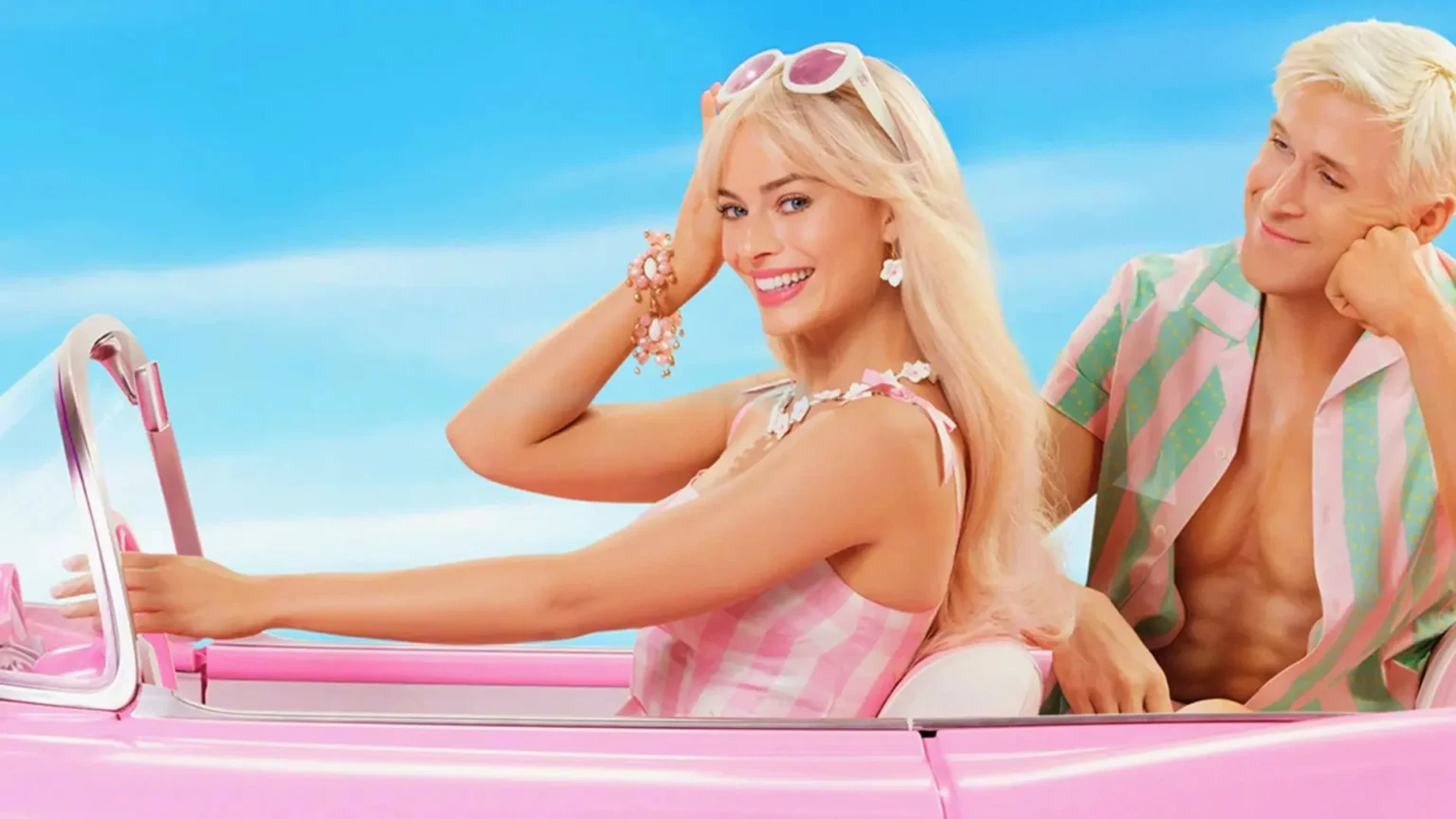
It has been three summers since “Barbenheimer” made its historic, pink-hued mark and yet the Warner Bros. property that is the crown jewel of the studio’s modern library is in peril of going over a cliff.
The numbers do not lie: with a $1.45 billion worldwide take at the box office it is by far the highest-grossing film in studio history. And still, talk of a follow-up to Greta Gerwig’s Barbie has all but stalled. Corporate synergy aside, a high-stakes poker game is in progress between the studio’s top brass, their representatives and the creative forces who have made an existential statement out of a plastic doll.
A Ticking Clock and the Reversion Clause
The immediate problem is time. Reports from within the industry put Warner Bros.’s deadline at December 2026 to put pen to paper on final contracts with Gerwig, her co-writer Noah Baumbach and the likes of Margot Robbie and Ryan Gosling. If that date passes without signed contracts, the franchise rights revert back to Mattel.
For Warner Bros. Discovery such a scenario would be a strategic blunder of the first order. True, Mattel might well shop the IP elsewhere, but any live-action reboot they put together after that would have to be done from the ground up, without the cast or the creative continuity that made the original what it was.
Warner Bros. has put itself in this spot by the terms of the 2023 production. One would expect a tentpole franchise to have its talent under multi-picture holding deals before filming commences, but Gerwig and those around her had no intention of being bound by a mandatory sequel clause. The studio made a wager to get on with it without them, and now they must pay for it.
Inside the Salary Standoff
More than six offers and counter-offers have been put on the table in recent months but there is little sign of the two sides converging on the money.
Recent proposals have been for some considerable upfront increases, a $20 million floor for Gosling among them, as well as profit-participation from the box office to make good on the principal talent’s theatrical success. But these have run into resistance in the upper echelons of corporate governance. David Zaslav, CEO of Warner Bros. Discovery, is said to have found the commitments too much for a property in development, deeming the packages overgenerous.
Reps for the talent argue that the kind of windfall the initial film brought in warrants compensation of the highest order. With the most recent set of offers rebuffed and nothing in return to show for it, the room has gone cold.
Strategic Leverage and a Secret Script
There is also the question of the creative material to add to the Hollywood drama of it all. In a departure from the norm of having a draft commissioned to get things moving, Gerwig and Baumbach are keeping their cards very close to the vest.
Those in the know say the pair have a firm idea of a story for a sequel and could put it to paper tomorrow if they wanted to. They will not, however, so much as pitch the premise until the financials are in place. It gives them the upper hand; Warner Bros. may be aware of a sequel in theory but they are in the dark as to what it is, precluded from any assessment of its merits until they accede to the demands.
All eyes are on the winter deadline and the Barbie 2 conundrum. It is a case study in how the clout of a mega-star and an auteur can run up against the risk-averse instincts of a corporation. The Dreamhouse may or may not open its doors again depending on whether Warner Bros. is the one to blink and put the deal to bed, or let a prized asset of its making depart.