
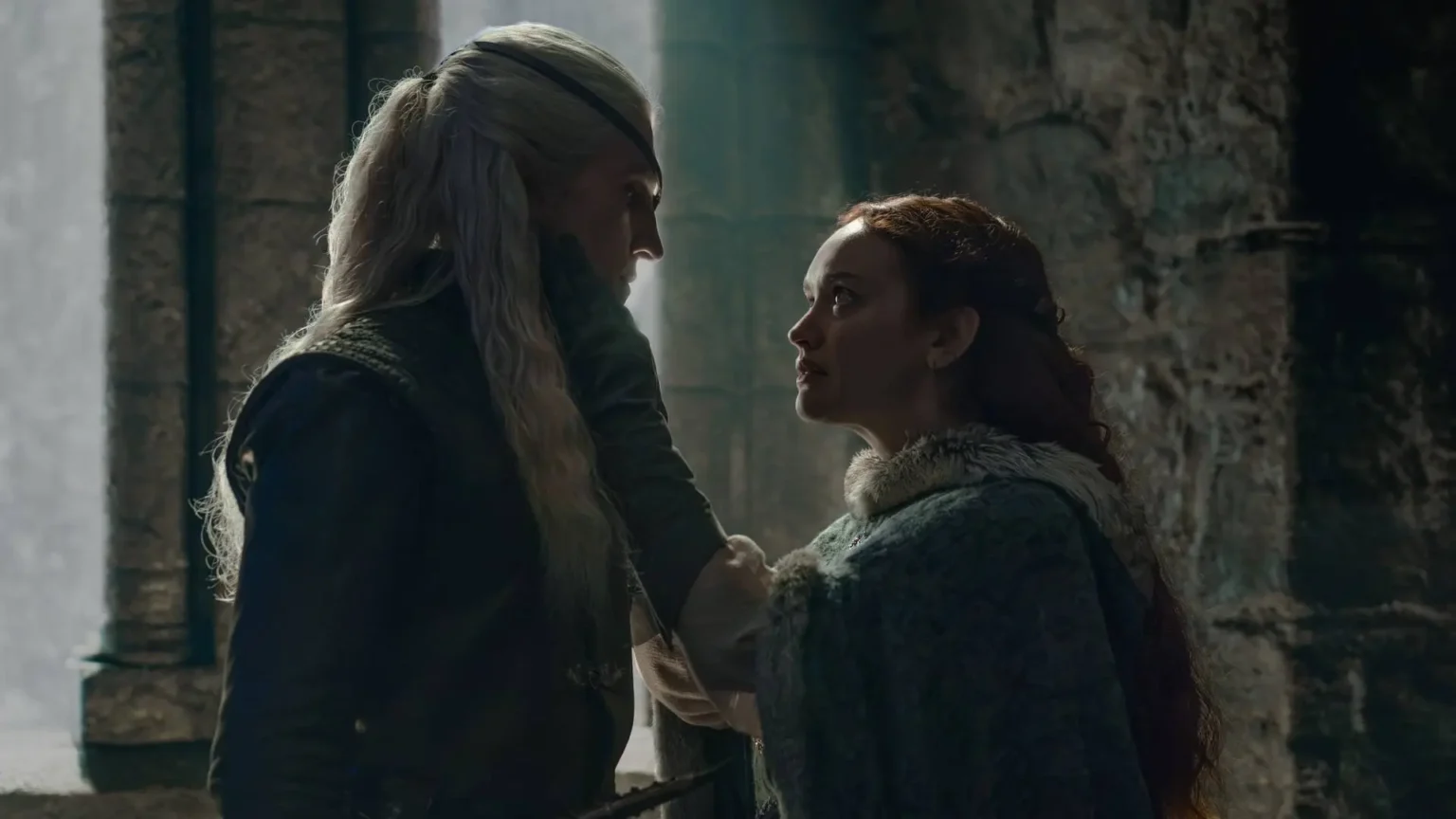
House of the Dragon blows the story wide open in the penultimate chapter of HBO’s fantasy epic. “The Dragon in Winter,” the seventh episode of the third season, will not have its characters sitting idly on the edge of war; it is intent on toppling the very chess pieces that have up to now been the conflict’s defining feature. From the news of King Aegon and Sunfyre’s unbroken bond to the insidious way Team Black is being riven from within, there is a deconstruction of the narrative at work here of the finest order. An hour of psychological fallout in lieu of any conventional battle choreography, it leaves one to make sense of a Westeros in which the notion of man having dominion over history’s most formidable weapons is an illusion.
Aegon’s Dangerous Resurgence and the Return of Sunfyre
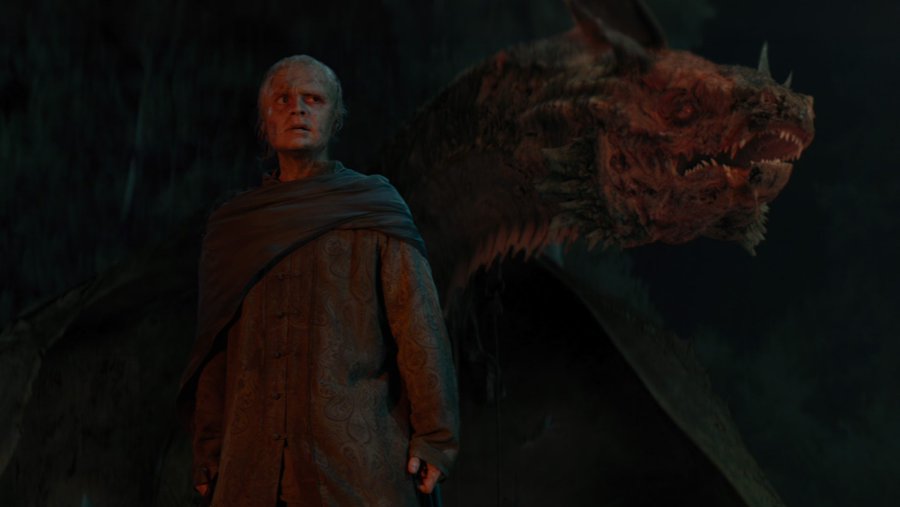
Chief among the episode’s explosive revelations is the fact of Sunfyre’s survival. The golden dragon was presumed dead after Rook’s Rest, but his re-appearance to shield a recalcitrant Aegon has in an instant changed the political landscape. For some time Team Green has been without a rudder, evading Larys Strong and the regional lords while making for the treasury. Now with an Aegon who is as much emboldened as he is alive, the monarch sets aside any qualms of the past. There is a manic confidence about him, a dangerous sort that would have you think he sees his mount’s continued existence as a sign from above.
Queen Rhaenyra is visibly reeling from the news. Already her psyche is in tatters, and the information is a further assault on it. With Daemon going his own way and no council to speak of, she is left to her own devices and a paranoia of the worst kind. The crown is taking its toll, and in the process the Dance of the Dragons is revealing its human cost; when the people closest to a sovereign are rotting away, what is outside is only part of the problem.
Ulf and the Unraveling of Team Black
Loyalty is bleeding out of Rhaenyra’s side in droves, the new dragonriders being a case in point. One need look no further than Ulf and the like to see the contempt the Targaryens of old hold for their common-born counterparts. Rhaenyra and Daemon have been heavy-handed in their restrictions and Ulf has his reasons to be aggrieved, leaving them prime targets for a poacher such as Lord Ormund Hightower. In a display of cynical statecraft, Ormund is sowing his flattery and recognition of their value to turn the tide well ahead of any meeting of arms at Tumbleton. Add to that the loss of Corlys Velaryon and the strategic underpinnings of Team Black are in ruins. Over at Harrenhal, even Aemond, who has had to endure a poisoning attempt from his mother Alicent, can do little to consolidate power with Alys Rivers. Hubris has its price and none are exempt.
The Illusion of Agency in a World Ruled by Fire
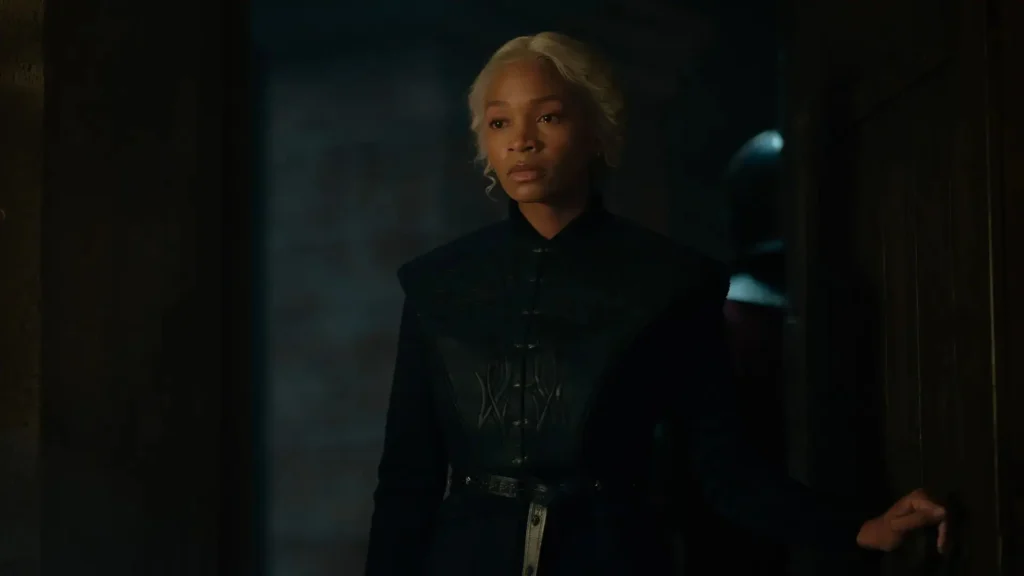
The episode reveals a deeper philosophical truth if one looks past the betrayals and the moving of troops. It goes to the heart of Martin’s world: the tragic arrogance of thinking you can master a dragon. We have had three seasons of would-be kings of the Iron Throne rationalizing murder and mayhem as destiny. This episode’s multi-dragon melee, with its riders losing control and strategy dissolving into bloodshed, is a salutary reminder that they are wild beasts, not attack dogs to be commanded.
In that lies what makes this penultimate hour something more than your run of the mill fantasy fare. The coming confrontation at Tumbleton is a reckoning for a dynasty that has lost sight of the fire it is playing with. And as we head to the finale, the collateral damage tells us that the survivor of this war will be left with a throne of ash and nothing else.
Isolation and the Price of Power
But the real tragedy of the episode is to be found in the quiet failures between people that afflict all sides. Rhaenyra’s treatment of Helaena has less to do with cruelty than an empathy worn thin by the pressures of holding onto a crown. Daemon’s reticence when it comes to Rhaena and Sheepstealer reflects the distrust that is the Targaryen way. Such micro level fractures are more ruinous to the realm than any army, and will leave the victors to stand alone in the wreckage.
It is a human error that frames the entire conflict as an inevitable tragedy rather than a crusade. The series presents the empty hearts of those at war as the pieces are set for the final showdown of the season. Should the finale hold to this line between the intimate and the grand, it will be more than a high-water mark for the franchise, a portrait of an empire destroying itself.