Ryan Murphy has never been subtle. His productions, whether it’s American Horror Story, Feud or Monster, tend to make a strong impression with striking imagery, larger than life characters and an inclination to indulge in excess. That’s part of the attraction. In comparison, it’s a little surprising that his take on Bret Easton Ellis’ 2023 novel The Shards feels somewhat constrained.
That doesn’t make it any less disconcerting.
The FX series, set in Los Angeles in 1981, follows a fictionalized teenaged Bret Easton Ellis (Igby Rigney), a student at the prestigious Buckley School, who becomes convinced that a new, beguiling classmate, Robert Mallory, is connected to a series of murders committed by a serial killer known as “The Trawler”. The big question through the whole season is if Bret’s showing something really evil or if he’s just feeding his own paranoia.
If you’re expecting a normal serial killer thriller, The Shards isn’t trying to be that.
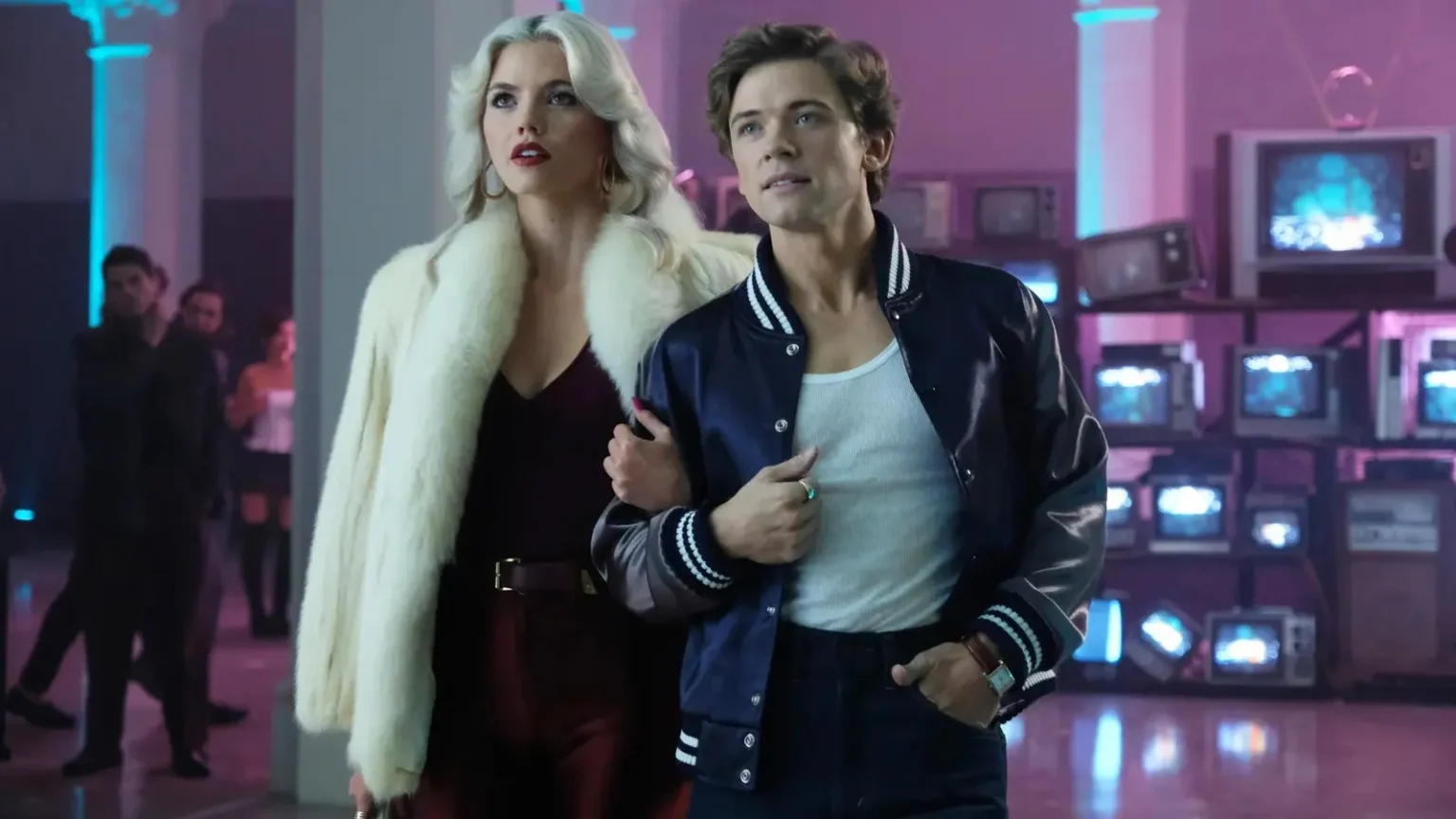
The homicides are significant, but they are almost secondary to the atmosphere Murphy creates around them. The series often includes long shots of well-to-do teens traipsing through giant homes on the side of a hill, nighttime get-togethers, fancy restaurants and schools where social standing seems as important as the recent murders. It moves at a leisurely, maddeningly slow pace at times, but this is also part of the show’s unnerving quality. You never get a full cadence going.
The setting plays an important role in the story. Murphy captures early-’80s Los Angeles without making it a museum piece. The sun is almost blinding, the estates are immaculately clean, and each gathering carries with it a sense of doom. That feeling is heightened by Troye Sivan and Leland’s synth-heavy score, a soundtrack that is at times ethereal and at times deeply unsettling.
It does not have the patience required for everyone. Sometimes the season lingers too long on prep-school relationships, romantic dynamics and shifting social structures, making one wonder if the main mystery has been lost. Then something happens that reminds us of this gradual accumulation in the background.
That balance may not resonate with everyone, but it does set the series apart from standard crime dramas. The Shards favors ambiguity over graphic violence or endless plot twists. Bret doesn’t know who to trust, and by the end we share that uncertainty.
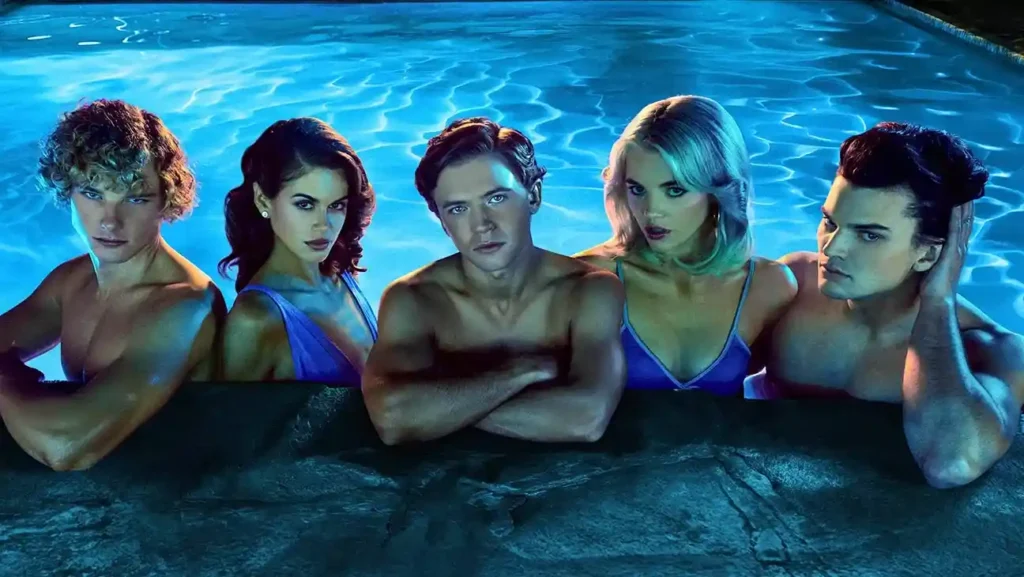
Igby Rigney carries a good deal of that ambiguity along with him. He reads Bret shrewdly but coolly, always suspicious of his surrounds but never completely of himself. It’s a tough part, because the character isn’t always sympathetic, but Rigney makes his paranoia so compelling that you continue to watch him even as his judgment deteriorates.
The auxiliary characters add another dimension to the narrative. Wes Bentley is the perfect image of the larger than life character you’d expect for the far more flawed father of Bret, and Evan Rachel Wood brings a subtle weight to her moments that makes the dialogue a little disturbing each time. Neither performance is the master of the series but both are indicative of the emotional detachment that characterizes many adults in the sphere of Bret.
What held my attention the most, however, was not the mystery itself. The series weaves memory and reality together.
Since the story is told from Bret’s perspective, every accusation is accompanied by a disclaimer. Is Robert Mallory really a danger, or has Bret been tricked into seeing an enemy where none exists? The show rarely hurries to answer those questions, and that in turn makes it stronger. Ambiguity becomes an integral part of the experience rather than a riddle to be solved.
There is an interesting artistic collaboration at work here. For much of their careers Murphy and Ellis have been investigating the more nefarious aspects of affluence, aspiration and American extravagance, but The Shards does not show either artist at their most self-indulgent. It seems remarkably tolerant, if anything. The horror is not in the elaborate staging or the shocking revelations. It stems from long silences, suspicious glances and the slow realization that masks can only hide so much.
That’s what ultimately sets The Shards apart from other celebrated thrillers. It’s less about catching a murderer than capturing a certain emotion; that creepy moment when young confidence shifts into anxiety, and the world suddenly appears much more menacing than it did before.
The slow pace and deliberate murkiness may not be to everyone’s taste and those seeking a neat little mystery may be left wanting. But if you’re willing to give the series the benefit of the doubt, The Shards is more remarkable than your average crime story. Atmospheric, unsettling and subtly hypnotic, it is something that stays with you long after the final episode has finished.