
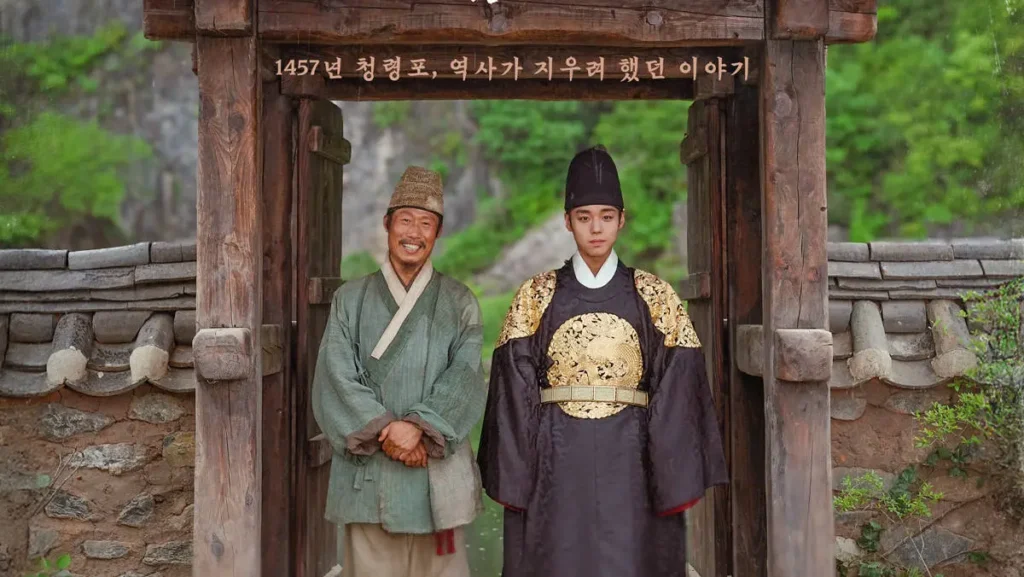
It has been a good six years since the South Korean theatrical scene was put under a cloud of post-pandemic uncertainty. Sure, you might have seen a Hollywood blockbuster or a homegrown title here and there manage to capture lightning in a bottle, but the 10-million-admissions mark, that domestic gold standard for a cultural event of note, was hard to come by. Then came Showbox’s The King’s Warden, a period drama with a historic, record-breaking run that put an end to the dry spell in short order.
Under the direction of Jang Hang-jun and with Yoo Hae-jin and Park Ji-hoon in the cast, the movie did more than top the box office; it gave it new life. With the kind of first-half numbers not seen in this country since before the pandemic, The King’s Warden has made a once-in-a-generation case for itself as a theatrical triumph, obliterating old revenue records in the process.
There were those in the industry who, when the film made its unassuming debut in early February a week before the fanfare of Humint for the Lunar New Year, saw it as little more than a tactical move. They were wrong. The historical piece generated an extraordinary amount of word-of-mouth. In telling the story of the unlikely connection between a village chief and the young King Danjong in 15th-century Joseon, it eschewed the usual courtly machinations for something with more raw humanity and emotional heft. Audiences responded accordingly.
By early March the film had put in the work to cross the 10-million-ticket line, the first to do so since 2024, and went on to 16 million admissions. It has overtaken such modern favourites as Extreme Job to be the second most-seen film in the nation’s history, trailing only Roaring Currents from 2014. In shattering all-time domestic revenue figures, The King’s Warden has demonstrated in no uncertain terms that there is still an appetite for well-told, character-driven stories.
There is no underestimating what the commercial clout of The King’s Warden means for the exhibition business in South Korea. For multiplex operators, it has been a welcome change after 2025 offered up nothing in the way of 10-million-admission blockbusters and years of anemic ticket sales left them in want of any kind of spark.
The film has given theaters the economic oxygen they were in need of, with first-half figures climbing to heights not seen since the global health crisis put an end to old consumer habits. Its box office legs have been remarkable; for almost two months running it has been at the top of the weekend charts, fending off formidable international fare such as the sci-fi tentpole Project Hail Mary. In doing so it has made plain that local product still wields a cultural pull you cannot match.
With The King’s Warden, is a reminder that the South Korean box office has no requirement for CGI flourishes or the kind of sprawling IP found in a franchise to lure an audience in. Jang Hang-jun and his crew have shown that by privileging a good tale and unvarnished human feeling over mere spectacle, they can do more than just break records at the ticket window. They have put forward a case for what remains cinema’s finest draw: a well told story.
Source: The Korea Herald