
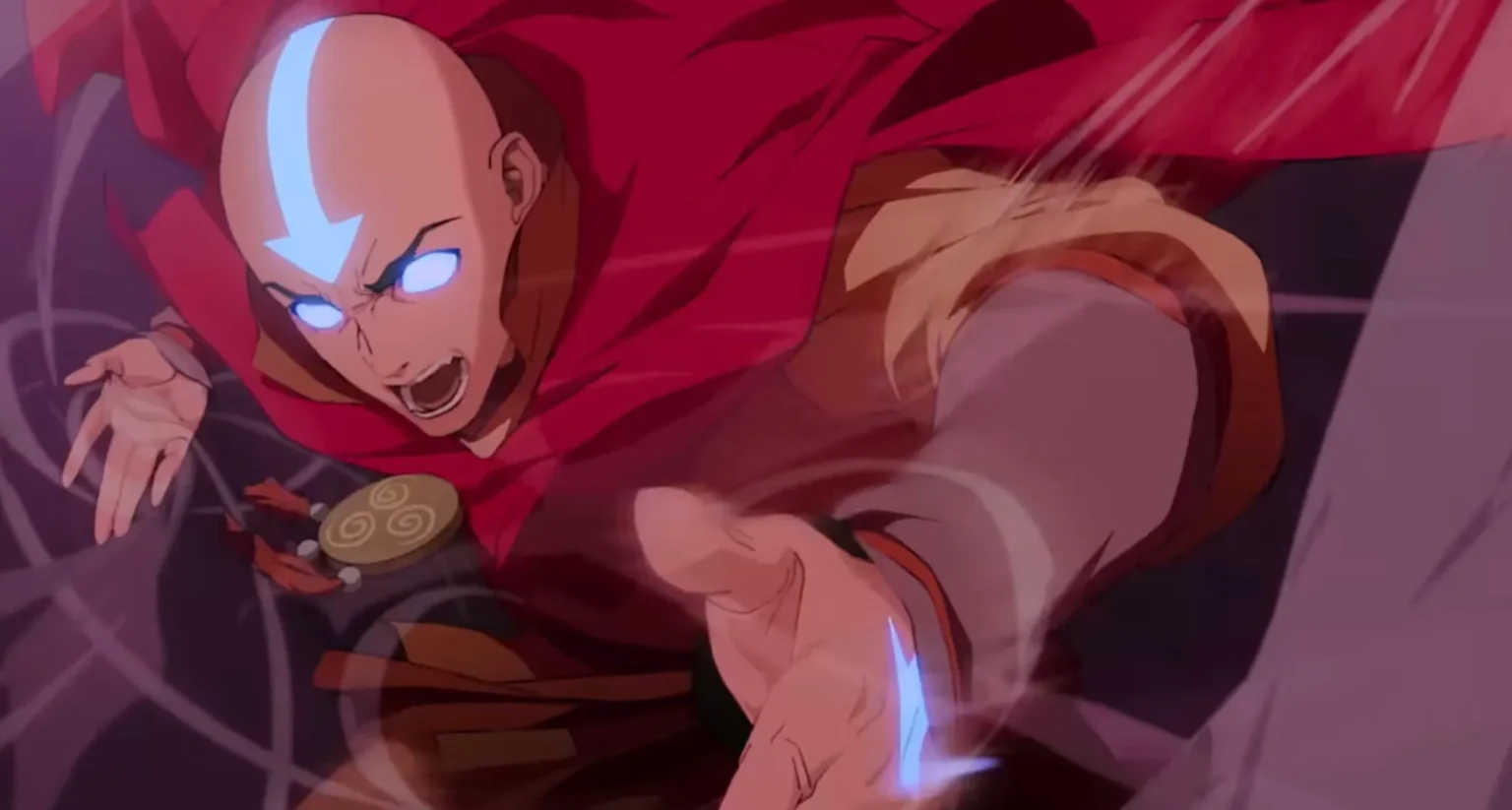
The Avatar franchise has a lot on its plate in 2026. After Netflix put in a good showing with a solid second season of the live-action The Legend of Aang, and with an animated offering called The Seven Havens to come later on, Paramount+ has put out this new feature, Avatar Aang: The Last Airbender film centred on an adult Aang. There is some baggage to the movie’s arrival, not least the full leak that happened earlier in the year and the rather limited way it was released in theatres, but viewers are won over once they have seen it.
The plot is set in the space between The Last Airbender and The Legend of Korra. We see an Aang who has matured into his role as the Avatar and, more tellingly, as the last of his kind and the only one left to bear the weight of an entire culture. On his return from an expedition to put together some old Air Nomad artifacts, he is waylaid by extremists who are non-benders with a fixation on the relics of a certain past Avatar, Sonam. Who this figure was could be what allows airbending to be brought back to the world.
It is a fine line to walk putting a story in this particular gap. The two animated shows operate in the same world but are quite different in their approach and themes. We have to honour the original Aang series while giving due credit to the heavier socio-political stuff Korra put in place. For the most part, the film does just that. The Renegades come across as a sensible addition, laying the groundwork for the kind of anti-bender animus that will one day drive Amon and his Equalists. And while the bending is rendered with the poetry and near-sacred quality of Korra, the narrative never strays far from Aang and the guilt and responsibility of being the sole survivor of a lost people.
It is hard to call the film without fault. There are continuity issues that give one pause, such as how some of the late-film happenings are never so much as alluded to in Korra. The pacing is not always even; at times a scene will drag in order to put the fine voice work on display where a more disciplined start and finish might have been in order. And the Spirit World remains something of a convenient crutch, an old habit from the original show.
But then you have what the movie does well and those flaws are put in their place. From a technical standpoint it is a marked improvement over its predecessor. The animation has a fluidity and depth that takes the good work of Korra to another level, putting characters in an environment with the quality of a living painting. Some of the set pieces, like the tornado at the temple, are so visually arresting they are art unto themselves. Those in American theaters were well served by them.
The real draw is the emotional heft of the piece. It forgoes any need for convoluted plotting or to change the universe in order to tell Aang’s story. We see the isolation of being the only one left to uphold his culture, the strain of facing a man who is a dark mirror of his own trauma, and the hard work of self-forgiveness in order to let go of a past that cannot be changed. The film is both exacting and affecting in its treatment of these matters.
In the end, Avatar Aang: The Last Airbender is a very worthy follow-up. It has the right amount of respect for the original series’ legacy and the changes Korra introduced. Any stumbles in continuity or pacing are more than made up for by the technical skill and feeling on screen. A fine, striking entry for anyone with an affinity for the franchise.