
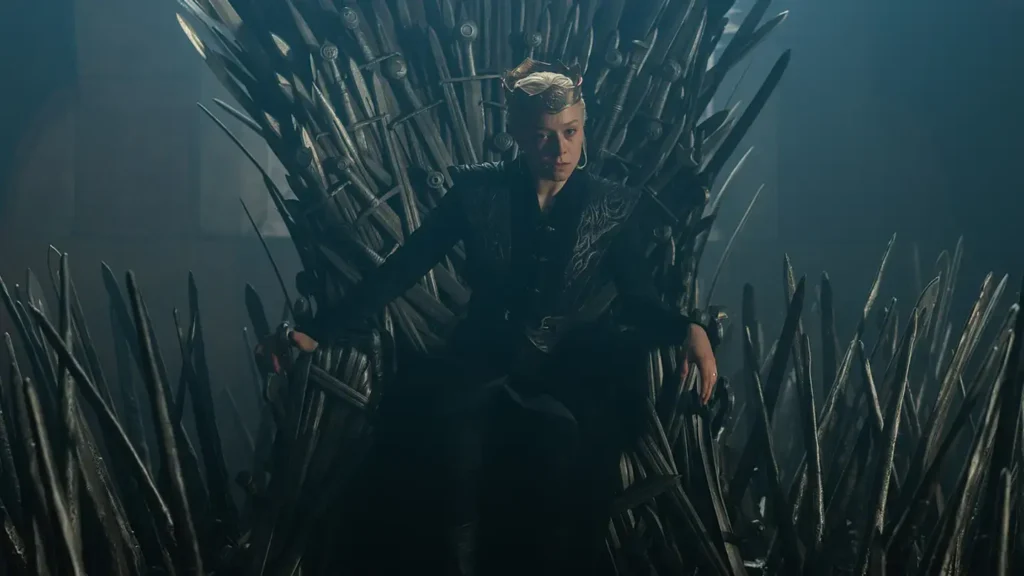
With the third season of HBO’s House of the Dragon in its final furlong, the show has put an end to any dithering and is now fully engaged in the grim business of civil war. “The Butcher’s Ball,” which aired on Sunday, is a case in point. Episode 6 offers a good measure of tactical brutality and the kind of narrative reckoning one has been waiting for, not to mention the painful disintegration of Queen Rhaenyra’s grip on the Iron Throne.
There is no mistaking the dramatic force of an episode that has trimmed the fat, but it also lays bare the structural whiplash that has at times been a feature of this season. One is left with masterful character exits juxtaposed against some plot decisions that seem a touch contrived or hurried.
Ser Criston Cole Meets His End
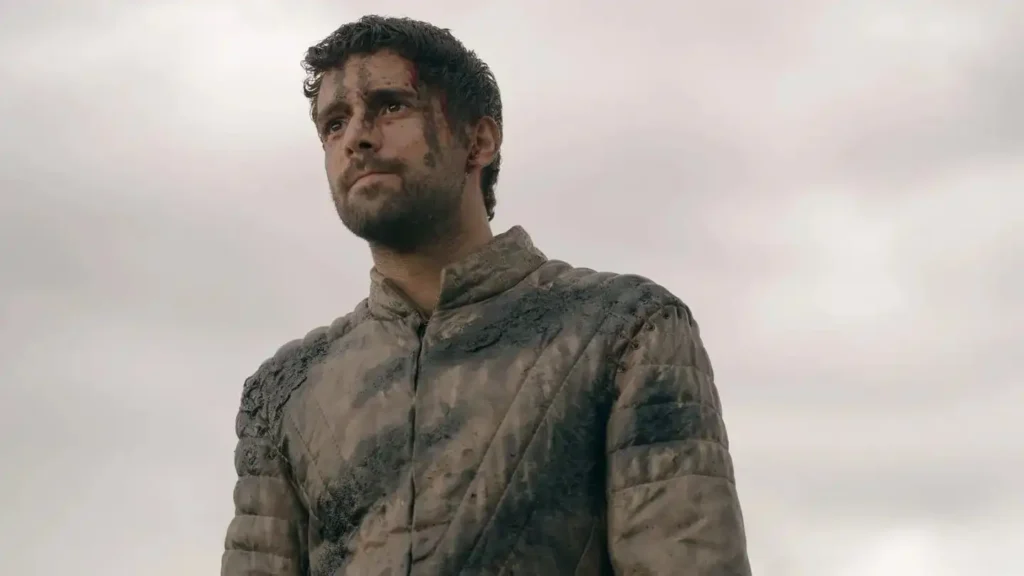
The hour’s emotional core is undeniably the unceremonious way they put an end to Ser Criston Cole. For three seasons, Fabien Frankel has made of him one of the most divisive presences in all of the Game of Thrones world. With his vanity and a toxic blend of wounded pride and honor poorly placed, not to mention his bitter war with Rhaenyra, Cole has been more than deserving of the audience’s ire.
And when the episode opens on his last moments, there is an odd melancholy to it.
A ruse by the Rivermen has left Cole and what remains of his vanguard out-maneuvered and cornered in the Riverlands. The scene that ensues is a brutal piece of choreography, one that makes clear why he is held in such high regard as a swordsman in Westeros. Down to his gambeson and brandishing flail, sword, and dagger with a kind of desperate ferocity, he puts up the fight of a warrior priest in his final stand.
Then comes the real trap: the Winter Wolves of Ser Roderick Dustin and the considerable force of young Lord Oscar Tully make their appearance. Cole sees that his time has come. In a show of grim honour he will not be denied, he issues one last challenge before Black Aly’s arrows put an end to it, leaving him in the dirt. An unglamorous finish for a “Kingmaker” who spent his life in the thrall of the very thing he sought to master.
Political Fractures and Palace Intrigue in King’s Landing
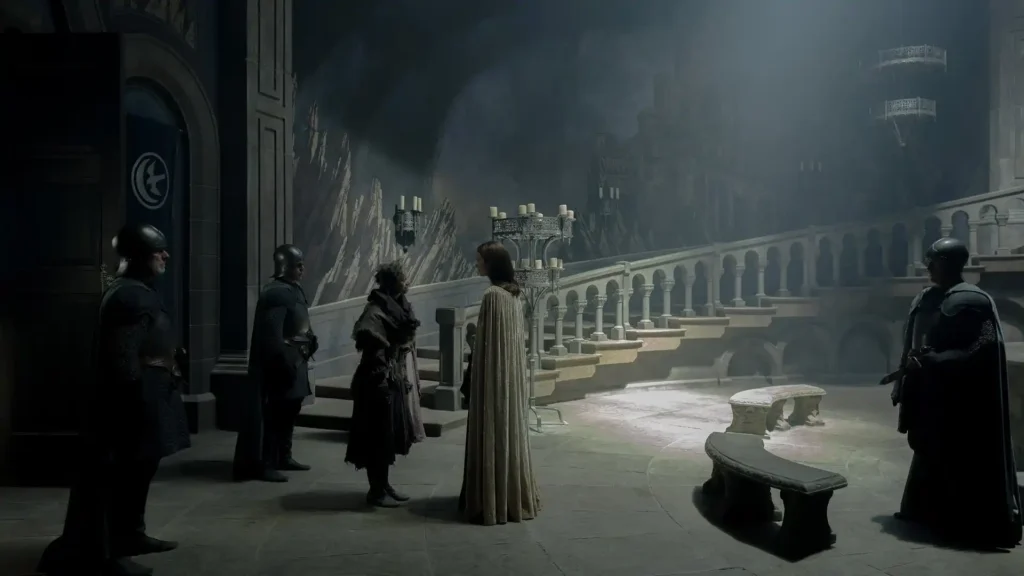
The air in the Red Keep is thick with a kind of claustrophobia that has nothing to do with the blood being spilled out in the Riverlands. Rhaenyra’s hold on power is tenuous at best, beset by everything from unionising City Watch to smallfolk in a huff over shortages. Then there is Daemon, ever the unpredictable element, champing at the bit to put Ormund Hightower’s men to the torch at Tumbleton, and Mysaria, moving through the undercurrents with her own ends in mind.
But the real drama is to be found in the quiet war of wills between Rhaenyra and Alicent Hightower, now reduced to the sidelines. Olivia Cooke gives a fine account of Alicent’s fall from grace, playing the part with a devastating subtlety. Hemmed in with Helaena, whose dragon dreaming puts everyone on edge as she comes apart at the seams, Alicent is forced into a corner. What follows is a matter of cold necessity: she makes a deal for her and Helaena’s liberty, and in return surrenders the whereabouts of Aemond at Harrenhal.
The Riverlands Aftermath and the March Toward Tumbleton
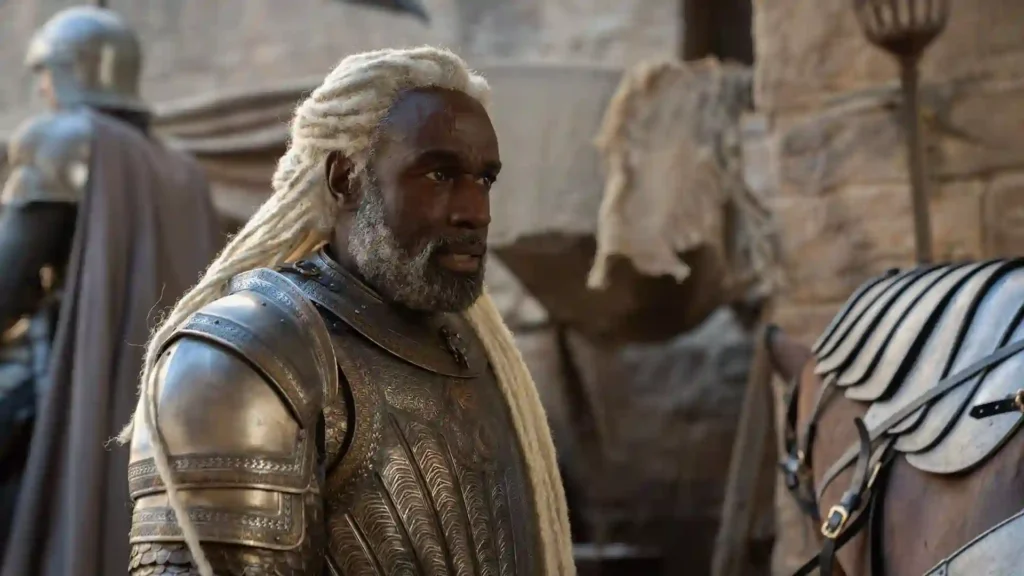
In the wake of Cole’s defeat, the episode is content to linger on more than the immediate tragedy; it devotes considerable attention to charting the new strategic realities across Westeros. The fall of the Kingsguard Lord Commander is a symbolic wound for the greens to be sure, but it has also created a void in leadership that a flustered Aemond is hard put to fill.
Then there is young Lord Oscar Tully, who makes it plain that one should not be deceived by his years. He has a ruthless pragmatism about him, and in joining forces with Ser Roderick Dustin and the Northerners he brings an unvarnished edge to the Black coalition’s efforts. Such a victory, however, serves to underscore the chasm between those on the ground and the strategists at Dragonstone or King’s Landing. With the armies making their way to the certain carnage at Tumbleton, the programme is effective in its reminder: when dragons are at play, it is the common soldier who pays the price.
Helaena’s Burden and the Prophetic Shadows
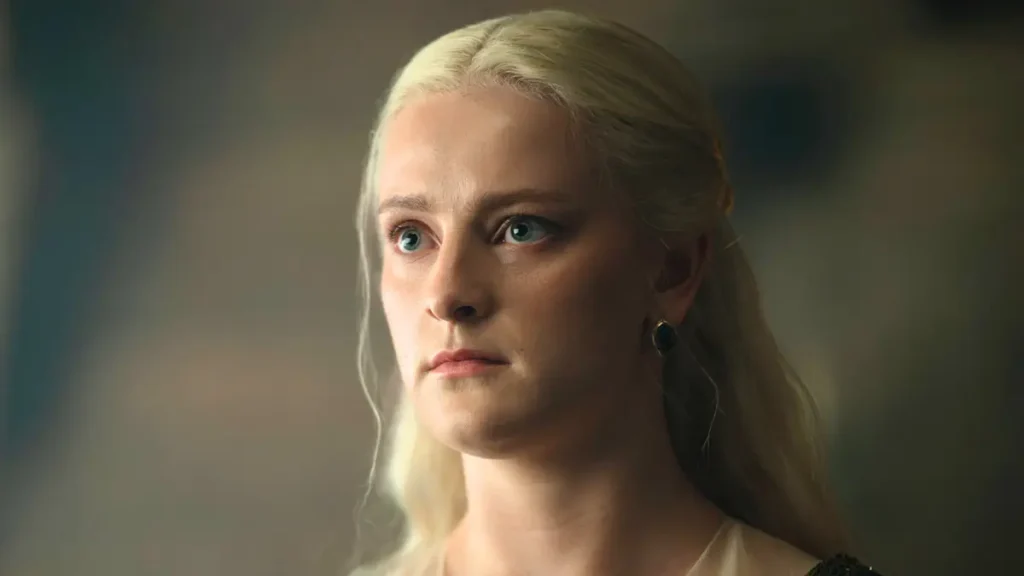
There is a fatalism to the political and military machinations of this episode, an undercurrent made all the more pronounced by Helaena Targaryen. While her prophecies have functioned as something of a Greek chorus up to now, Episode 6 takes her in a direction that is far more tragic than simple foreshadowing.
One finds some of the most haunting moments in the hour when Alicent is making a desperate bid for a way out and Helaena simply accepts what is coming to her kin. The show is careful not to make of her a convenient mystical device; rather, it presents the weight of her foresight as a kind of psychological confinement. In doing so it underscores the point of the Dance of the Dragons: be it a queen’s sharp legislation or a general’s fine maneuvering, the dynasty is headed for a fiery end that has already been written.
Trading in Shock Value for a Clearer Narrative
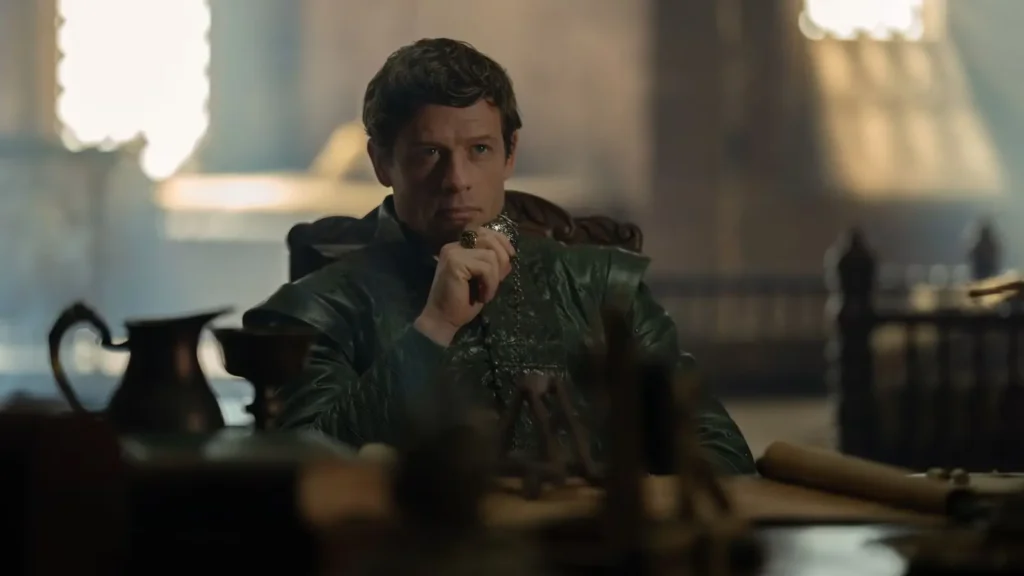
One could argue “The Butcher’s Ball” is superior to some of the mid-season offerings that have come before it. The reason it succeeds is an openness to settle old narrative debts. Letting go of major presences such as Criston Cole has the effect of clearing the board, which in turn strips away superfluous clutter and puts the rest of the cast in a more pointed confrontation.
There are missteps to be sure; one can detect in the hurried geography and certain secondary character moments an attempt to simply put the pieces where they need to be for the finale. Yet House of the Dragon demonstrates where its strengths lie by making the violence exact a real toll on the characters instead of offering up cheap theatrics. It is at its finest when it compels them to confront their hubris.